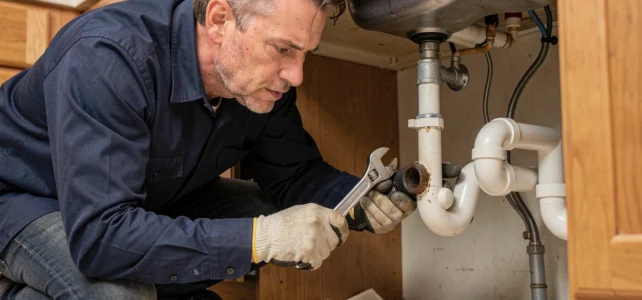
Water leak in the kitchen, power outage in the middle of the night, locked door upon returning from shopping: home emergencies do not give warning. Knowing how to react in the first few minutes, and especially how to avoid the pitfalls of home repairs, determines both the speed of the repair and the final amount of the bill.
Rate of anomalies in home repairs: a sector under high surveillance
The first reflex in a domestic emergency is often to search for a repair service number online or to recall a flyer slipped into the mailbox. Recent data from the DGCCRF urges caution: more than 60% of the repair companies checked in 2024 had anomalies. This figure concerns locksmithing, plumbing, and electricity, the three trades most solicited in emergency situations.
The table below compares the legal obligations of the professional and the most common abusive practices, to quickly spot a suspicious intervention.
| Legal obligation of the professional | Common abusive practice |
|---|---|
| Written estimate provided and accepted before any work begins (decree of January 24, 2017), with no amount threshold | Commencement of work without an estimate, inflated bill presented after the intervention |
| Labor costs and travel fees clearly announced | “Emergency” or “night” flat rate added without prior information |
| No payment due before 7 days in case of home solicitation | Immediate cash or card payment required on site |
| 14-day withdrawal period for a contract concluded after solicitation | No mention of the right of withdrawal on the order form |
When a tradesperson refuses to provide an estimate before starting, the likelihood of overcharging increases significantly. The 2017 decree provides for no exceptions for emergency situations: the estimate remains mandatory, even at 3 a.m.
To identify a reliable professional before a breakdown occurs, creating a verified contact list remains the best defense. Platforms like SOS Urgence Dépannage allow you to locate referenced tradespeople according to the type of intervention and geographical area, which reduces the risk of encountering a fraudulent operator in a hurry.
Water leak, power outage, locked door: immediate actions by type of emergency
Each domestic emergency calls for a specific technical action in the first seconds. Acting correctly limits material damage and facilitates the work of the professional who will intervene afterward.
Water leak or burst pipe
Shutting off the main water supply is the first action. The shut-off valve is most often located under the kitchen sink, in the bathroom, or near the meter. If the leak affects a radiator or a hot water tank, also close the valve of the affected circuit.
Turn off the electricity if water reaches an outlet or a plugged-in device. This reflex avoids a risk of electrocution that is often underestimated.
Localized or general power outage
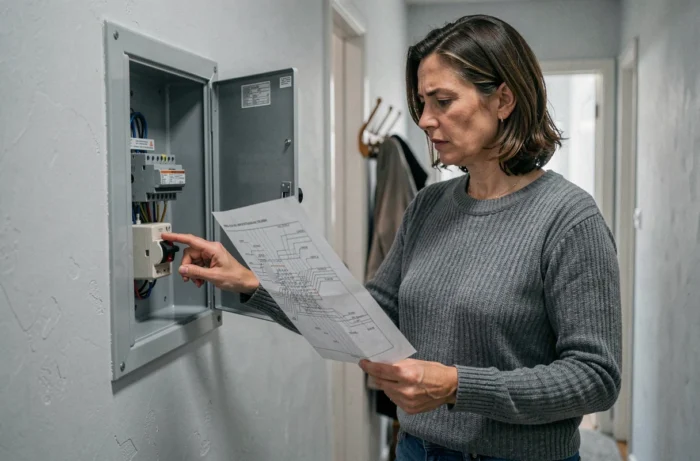
First, check the electrical panel. A tripped circuit breaker usually indicates an overload or a short circuit on a specific circuit. If the main breaker has tripped, unplug the suspicious devices before resetting it.
If the power does not return after resetting, the problem may come from the network. Check with your neighbors or the network manager before calling an electrician in an emergency.
Locked door or slammed door
Before contacting a locksmith, check that no other entry is accessible (open window, garage door, access through a neighbor). The cost of opening a door varies greatly depending on the technique used: a non-destructive opening costs much less than a complete cylinder replacement.
- Ask by phone if the opening will be destructive or not, and what the travel fee will be
- Request a written estimate on-site before the locksmith begins any work
- Systematically refuse a lock replacement if a simple opening is sufficient, as this is the most common overcharging in the sector
Estimates, invoices, and right of withdrawal: what the regulations say in case of home intervention
The confusion between an emergency call made by the consumer and an unsolicited home solicitation changes the applicable rights. If you contacted the tradesperson yourself, the 14-day withdrawal period does not automatically apply. However, if a professional shows up at your home uninvited (direct marketing, passing through the neighborhood), they cannot collect any payment before a period of 7 days and you have 14 days to cancel the contract.
This distinction has direct consequences on your ability to contest an abusive bill. A tradesperson who demands immediate payment after unsolicited solicitation violates the law, even if the intervention has already taken place.
Contesting an abusive repair bill
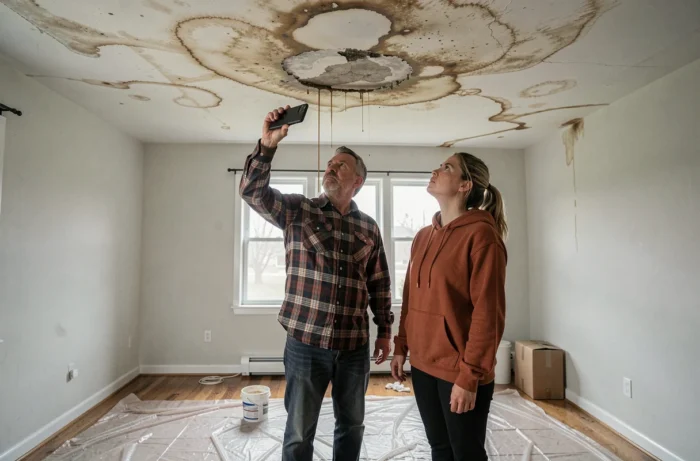
Keep all documents: signed estimate (or absence of estimate), invoice, photos of the intervention, message exchanges. In case of dispute, the DGCCRF can be contacted via the SignalConso platform. For significant amounts, consumer mediation is free and must be offered by the professional.
- Check that the company’s SIRET number is mentioned on the invoice
- Compare the billed amount with the initial signed estimate: any unjustified discrepancy is contestable
- Report abusive practices even if you have already paid, as this feeds future inspections by the DGCCRF
Home insurance and repair assistance: check your coverage before the breakdown
Most home insurance contracts include an assistance or emergency repair guarantee, but the conditions vary. Some contracts only cover declared claims (water damage, fire), while others offer a service for sending a professional with partial or total coverage of costs.
Check your insurance contract before any emergency, not during. Identify the assistance number, reimbursement limits, and exclusions. A call to your insurer before contacting a tradesperson can avoid upfront costs.
Domestic emergencies are better managed when they have been anticipated. A contact list of verified professionals, knowledge of immediate actions by type of breakdown, and careful reading of your insurance contract reduce both stress and the final bill.