The beauty market in 2026 is no longer limited to seasonal shade launches or original textures. The new products hitting the shelves respond to stricter European regulatory constraints, a demand for transparency in formulations, and the integration of skin diagnostic technologies into daily routines. Understanding these mechanisms allows us to distinguish real shifts from mere marketing hype.
Reformulation of beauty products: what European regulations impose on brands
For several months, the European Union’s cosmetic regulatory updates have forced manufacturers to revise the composition of many products. Controversial UV filters, certain preservatives, and synthetic fragrances are now subject to stricter restrictions. Brands do not always choose to reformulate out of marketing conviction: reformulation is often a legal requirement.
This regulatory pressure has a direct effect on the available ranges. Sunscreens, anti-aging treatments, and even some foundations are seeing their formulas modified to comply with new lists of permitted ingredients. The consumer perceives a “new” product, whereas it is actually a technical compliance adjustment.
The phenomenon also affects claims made on packaging. Claiming that a product “repairs” or “regenerates” the skin now requires documented clinical evidence. Vague mentions are giving way to more precise formulations, prompting laboratories to invest in verifiable dermatological tests. To follow beauty news on Pop Your Beauty, this regulatory evolution is a key theme of the year.
Skinification of makeup and alcohol-free fragrances: two concepts to decode
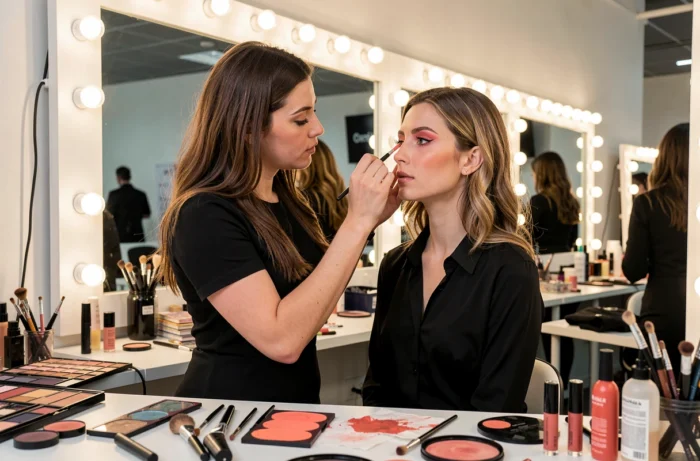
Skinification refers to the integration of skincare benefits into products that were not designed to treat the skin. In 2026, this concept extends far beyond BB creams. Blushes, lipsticks, and mascaras are claiming moisturizing actives, peptides, or soothing extracts in their formulas.
The idea is not to replace a serum with a foundation. The principle is based on a cumulative logic: each product applied contributes to the overall care of the skin rather than being limited to a temporary cosmetic effect. Brands are thus offering ranges where makeup and skincare routines merge.
Alcohol-free fragrances: a technical reformulation, not a gimmick
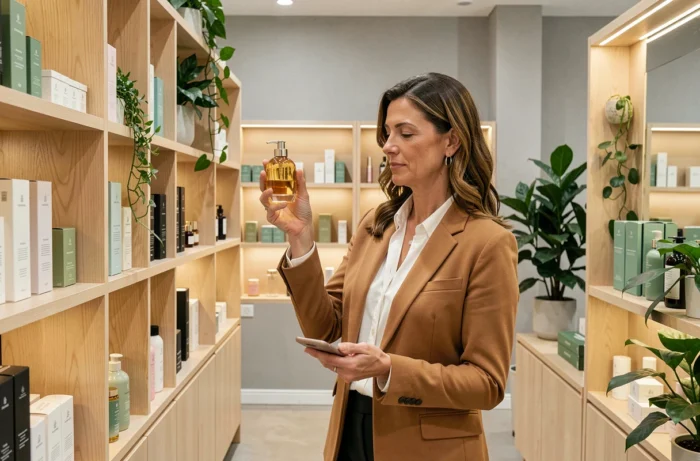
Alcohol-free perfumes are gaining ground. Presented as more comfortable to wear, these formulas use oily or aqueous bases that alter the diffusion of scent notes. The trail is different, often closer to the skin, and the longevity varies depending on the chosen medium.
This trend responds to a dual demand: sensitive or reactive skin tolerates the absence of ethanol better, and alcohol-free formulas expand usage contexts (application after sun exposure, on dry hair, as body mist). Perfume houses are adapting their catalogs accordingly.
AI skin diagnostics: what beauty tech changes in the routine
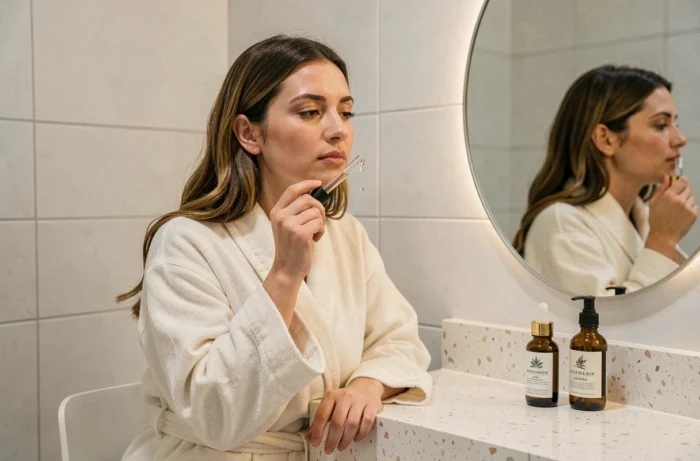
AI-assisted skin diagnostic tools have multiplied in just a few months. Connected mirrors, mobile apps with photo analysis, sensors integrated into wearable devices: technology promises an objective reading of the skin’s condition (hydration, sebum, pigmentation, wrinkles).
The operation relies on algorithms trained to recognize visual markers and then cross-reference this data with a longitudinal history. Specifically, the app compares several photos taken at regular intervals to measure skin evolution and adjust product recommendations.
- The analysis of hydration levels guides the choice between a rich cream and a light treatment, depending on the season and skin type
- Monitoring pigmentation allows for the detection of emerging spots before they become visible to the naked eye
- Measuring sebum helps to adapt the frequency of cleansing and the choice of textures (gel, foam, milk)
AI diagnostics transform the routine into an adjustable protocol, where the choice of treatments was primarily based on intuition or in-store advice. Retailers like Sephora are integrating these tools into their customer journey, both in-store and online.
Refillable packaging and plastic reduction: the logistical constraint behind the trend
Refillable packaging is no longer reserved for niche brands. In 2026, major players in makeup and skincare are offering permanent cases associated with refills. The gesture seems simple, but it involves a complete overhaul of the logistics chain.
A refillable bottle requires a standardized opening system, compatibility between generations of refills, and a dedicated distribution circuit. Brands are investing in industrial design as much as in the formula itself. The initial cost of the container is higher, offset by a lower refill price.
- Refillable lipsticks use magnetic mechanisms to simplify cartridge replacement
- Skincare bottles adopt removable pumps that fit multiple refill formats
- Some brands are testing in-store returns, where customers bring back empty packaging in exchange for a discount on the next refill
This evolution also responds to regulations on reducing plastic waste in the cosmetics industry, pushing manufacturers to rethink the entire lifecycle of their products.
Beauty trends 2026: between regulatory constraint and real innovation
Many of the new products presented as creative trends are actually adaptations to a tightening technical framework. Reformulation of skincare products, the gradual phasing out of certain ingredients in makeup, the shift to refillable packaging, and the use of AI to personalize routines all respond to external pressures: regulation, demand for proof, waste reduction.
This does not detract from the interest of these developments for consumers. Products are generally safer, better documented, and more adaptable than a few years ago. The next step will likely be the international harmonization of these standards, which conditions brands’ ability to offer the same formulas across all markets.