
A smell of gasoline that settles in a house without a visible source poses a problem that many underestimate. Fuel vapors contain volatile organic compounds (VOCs), some of which, like benzene, are classified as known carcinogens by the WHO. Identifying the cause, assessing the real danger, and acting quickly is not a matter of comfort: it is a health issue, especially for the most vulnerable occupants.
Benzene and VOCs in indoor air: what gasoline vapors really release
Fuels do not just emit a bad smell. Their evaporation releases a cocktail of VOCs, among which benzene holds a special place. This compound is identified as a risk factor for leukemia, including in young children, with possible effects even at low doses in cases of repeated exposure.
The other VOCs present (toluene, xylenes, ethylbenzene) irritate the respiratory tract and can cause headaches, nausea, or dizziness within a few hours. For asthmatic individuals, young children, and pregnant women, health authorities report specific risks: worsening asthma, chronic respiratory disorders, potential long-term effects on development.
Knowing what to do when facing a gasoline smell in the house first requires assessing the severity of these emissions, even before seeking a household remedy.
Vapor leaks without puddles on the floor: the unseen causes
Most content on the subject mentions a spilled can or a poorly closed jerrycan. These cases exist, but the most insidious situations leave no visible trace.
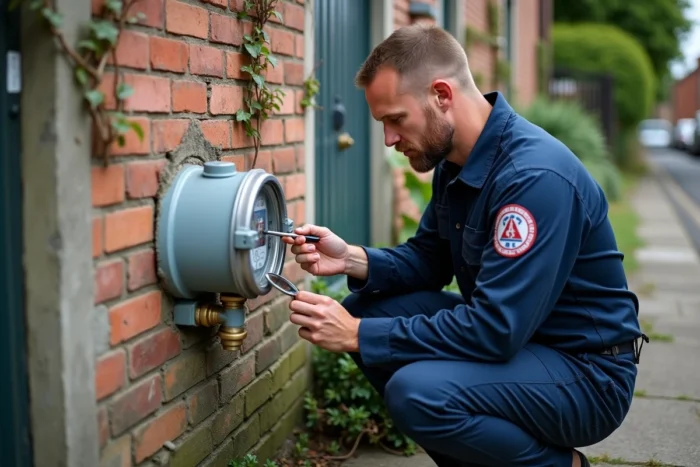
In a garage attached to the house, a simple defect in a car’s EVAP system (canister) is enough to continuously release fuel vapors. A poorly secured fuel cap, a cracked hose, or a faulty purge valve can generate a persistent smell without a single drop touching the ground.
These vapors then migrate through discreet pathways:
- Technical ducts and cable passages between the garage and living spaces, rarely airtight in older constructions
- Degraded service door seals, which allow air from the garage to pass into the kitchen or hallway
- Pipes and air rises through porous floors (raw concrete, unsealed slabs), especially when an underground oil tank has a seal failure
A failure to vent the tank of a lawnmower or a generator stored in a technical room can also explain an intermittent smell, especially noticeable in warm weather when pressure in the tank increases.
Sensitive populations and prolonged exposure: the real danger threshold
The smell of gasoline has a relatively low olfactory detection threshold. It is noticeable well before concentrations reach a flammability level. This gap is falsely reassuring: the health hazard occurs before the risk of explosion.
A few minutes of exposure during an isolated incident does not pose serious consequences for a healthy adult. However, repeated exposure, even at low concentrations (a light but daily smell), changes the equation.
Children breathe proportionally more air relative to their body weight than adults. A child playing on the floor in a garage or adjacent room inhales more heavy vapors, which concentrate in the lower layers of the air. Pregnant women and individuals suffering from chronic respiratory conditions are among those for whom any prolonged exposure to fuel VOCs should be avoided.
Eliminating the gasoline smell permanently: ventilation, cleaning, and absorbent materials
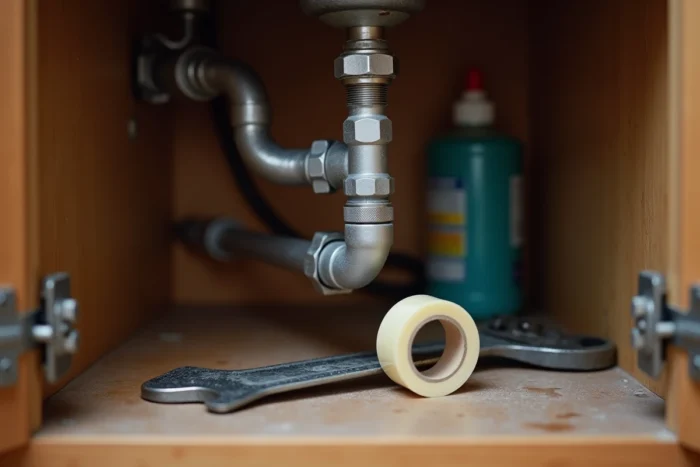
Ventilating by opening windows is the first reflex, but it does not solve the problem if the source is not addressed. The effective approach unfolds in two steps: stop the emission, then decontaminate the surfaces.
Remove the source first
As long as the leak persists, no cleaning method will eliminate the smell. Check the fuel system of vehicles and equipment stored, inspect the condition of any oil tank, and examine the seals between the garage and the house. If the source remains undetectable after these checks, involving an indoor air quality diagnostic professional can help identify the present VOCs and their concentration.
Deep clean contaminated surfaces
Hydrocarbons penetrate porous materials: concrete, raw wood, textiles. A surface cleaning is insufficient when the fuel has penetrated the substrate.
- On concrete, a mixture of baking soda and hot water applied in a thick layer absorbs residues trapped in the pores. Allow to act for several hours before rinsing
- On textiles (carpets, rugs, covers), diluted white vinegar neutralizes some of the odor-causing compounds. Heavily impregnated items may sometimes require complete replacement
- Used coffee grounds placed in bowls absorb residual odors in a confined space, but they do not address the contamination of the material itself
Mechanical ventilation and air renewal
After a fuel pollution episode, a functioning mechanical ventilation system accelerates the removal of residual VOCs. Check that the extraction vents are not clogged and that the airflow is sufficient. In homes without mechanical ventilation, a temporary extractor placed in the affected room, combined with a low opposing air intake, creates effective airflow.
Indoor air quality specialists recommend not limiting to occasional ventilation after a spill. Monitoring for any return of the smell in the following days helps confirm that the source has indeed been eliminated. A smell that reappears after closing the windows indicates an unresolved issue, often a deep impregnation of the substrate or an ongoing leak.
The smell of gasoline in a house is never trivial. The benzene and VOCs it signals present real risks, especially for children and vulnerable individuals. Addressing the source, not just the olfactory symptom, remains the only approach that sustainably protects indoor air quality.